
[Summer 2026 Anime] A girl and a consort. Bound by a bond of revenge, the two raise a storm in the strongest empire on Earth--. Tenmaku no Jadougal!
[Summer 2026 Anime] A girl and a consort. Bound by a bond of revenge, the two raise a storm in the strongest empire on Earth--. Tenmaku no Jadougal!
2026-09-04
[Summer 2026 Anime] A girl and a consort. Bound by a bond of revenge, the two raise a storm in the strongest empire on Earth--. Tenmaku no Jadougal!
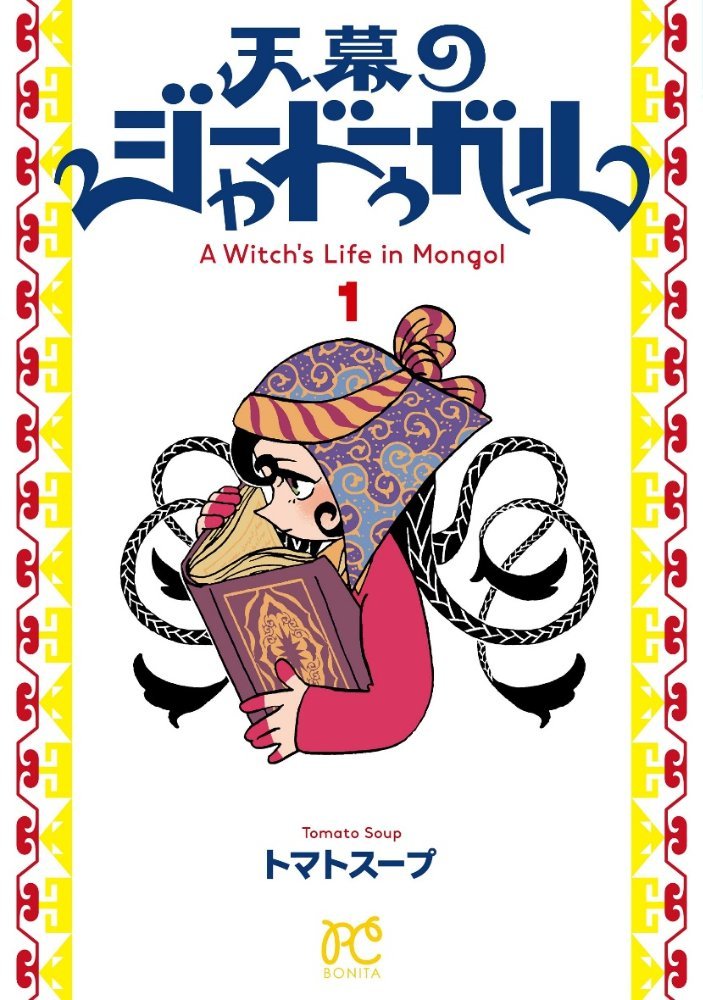
“Tenmaku no Jadougal” is a story set in the 13th-century Mongol Empire, depicting Sitara, a girl whose life is played with by the immense flow of history. In 1213, Sitara, who was living as a slave in Tus, a city in eastern Persia, is taken in by Fatima, the widow of a scholar. There, Fatima and her son Muhammad teach her the value of learning. By becoming smart, when you face difficulties, you can think for yourself about what you should do. Moved by this idea, Sitara gains knowledge while working at the mansion. She holds on to the hope that she will one day catch up with Muhammad, who left for Nishapur in pursuit of further learning, but eventually, waves of history that shake the world come surging to Tus as well.

Eight years later, the Mongol army led by Tolui, the fourth son of Genghis Khan, invades Tus. What Tolui was searching for was “Euclid's Elements,” an academic book sought by his consort Sorghaghtani. The precious manuscript left behind by Fatima's late husband is also taken, and Fatima, who protected Sitara as she tried to get it back, loses her life. Having lost her hometown, her loved ones, and the life she had built up until then, Sitara is sent to Mongolia as a prisoner. During her transport, she witnesses many deaths and further learns that Nishapur, where Muhammad had gone, has also fallen. Even so, something that no one can steal remains with her. That is the “knowledge” imparted to her by Fatima and her son. In the development where knowledge—neither physical strength nor military power—turns into a tool for survival for a girl at the bottom of despair, there is an intense charm unique to this work.
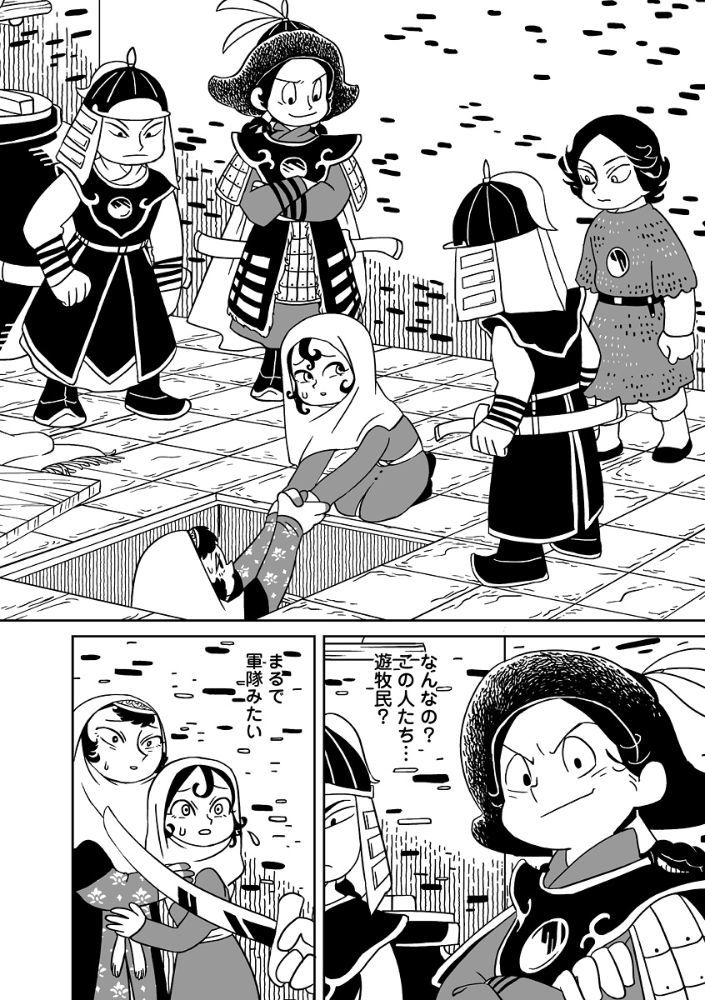
Sitara, who is offered the role of teaching the “Elements” to Consort Sorghaghtani by Shira, an interpreter boy, assumes the false identity of “Fatima, the daughter of a scholar” and becomes the consort's lady-in-waiting. Her goal is to take back the stolen manuscript, and to exact revenge on the empire that took everything from her. While growing increasingly angry at the words of Sorghaghtani, who does not understand the pain of the conquered people, Sitara does not show it on the outside, acting as an obedient lady-in-waiting and gaining her trust. This dangerous duality is truly interesting, and there is a unique tension in the way she refrains from jumping at the enemy based on emotion, hiding even her anger deep in her chest to look for an opportunity. What she has learned is not mere general education. It has become a power to read situations, observe humans, and choose a path to survive.
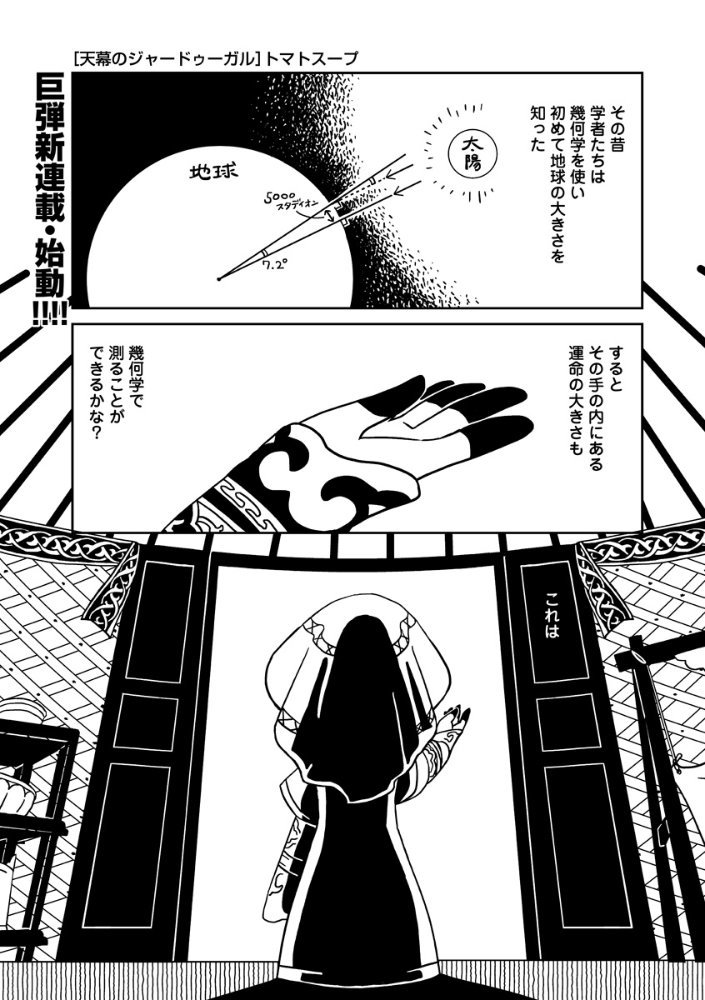
In 1227, Genghis Khan passes away, and through the Kurultai of 1229, his third son Ögedei becomes the new emperor. However, due to the custom of ultimogeniture, much of the property and military power is inherited by the fourth son Tolui, creating a situation where the throne of the emperor and actual power are intricately intertwined. From here, the story expands into a political drama that involves not only the revenge of a single girl, but also the motives of the royals who move the empire. Ordered by Sorghaghtani to act as a spy and investigate movements around Chagatai, Sitara fails in her infiltration. There, she encounters Töregene, the sixth consort of Ögedei. This very encounter was the moment that set the gears of the story turning significantly.
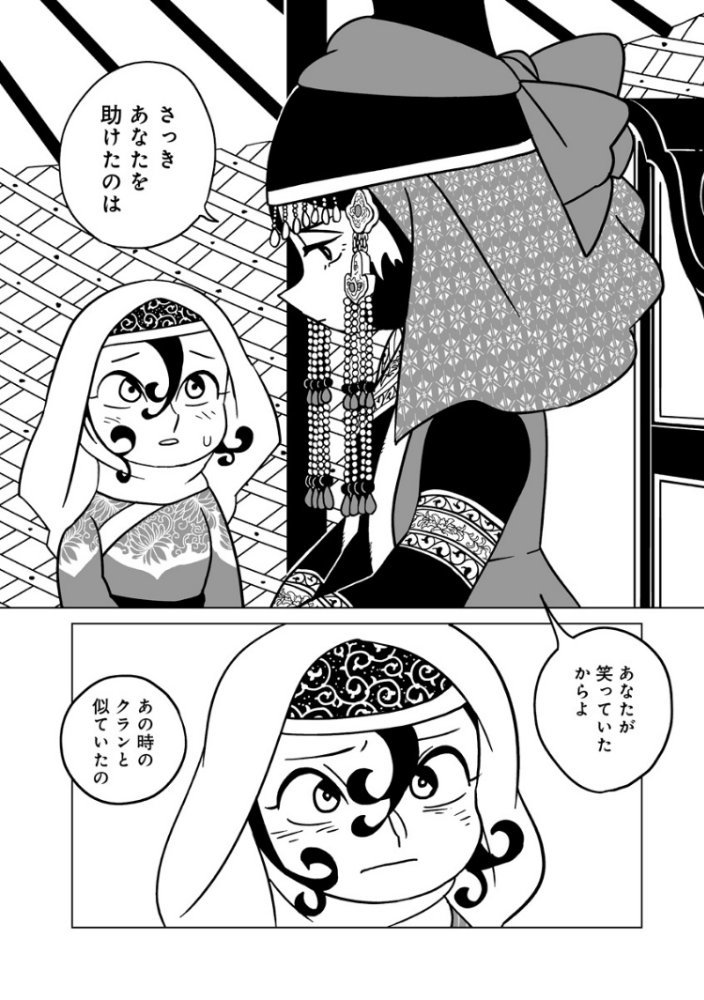
Töregene is also a person whose life was thrown out of order by the Mongols. Formerly the wife of Merkit chieftain Dayir Usun, she held deep hatred toward the Mongols, who had struck down her husband and clan. Even with different positions, Sitara and Töregene both had what was precious to them stolen by the giant empire. The two, who lacked the means for revenge on their own, learn about each other's pasts and finally join forces. What is interesting is that they do not challenge the empire to war head-on. Positioning themselves inside the empire, they try to stand up against the immense power using human relationships, politics, and wisdom. The terrifyingly bold structure of “If you want to defeat the strongest empire, you just need to enter inside it” makes this work an unpredictable story.
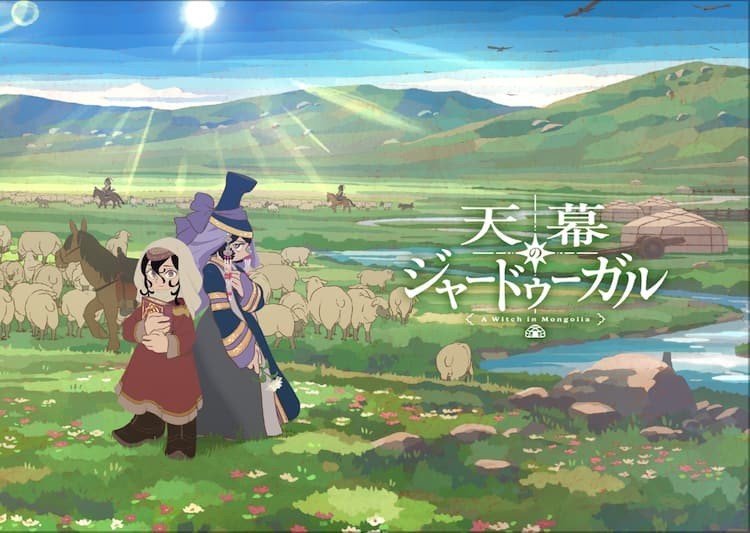
The subjects of this work are Ögedei's sixth empress Töregene, and Fatima Khatun, who served as her close aide. While set against the background of real figures and 13th-century history, the impressive aspect is how it shows as a story “what was happening alongside those who left their names in history” through Sitara's perspective. What leaves a particularly strong impression is likely the depiction that knowledge has the potential to save a life, and that depending on how it is used, that knowledge can also become a blade to oppose power. Not a hero swinging a sword, a girl on the side of being robbed relies on learning and thought to penetrate into one of the world's largest empires. Overlapping multiple elements of interest—a revenge drama, a historical manga, and a political drama—it is a work that makes you unable to refrain from following what comes next, wondering “How far can these two move immense history?””
Tenmaku no Jaadugar
▸
Related Articles
Popular Articles
-
 【Nursery Life】 A Genius Girl Gets Parasitized by Tentacles!? A Relaxed and Unconventional Isekai Life! Furoufushi Shoujo no Naedoko Ryokouki!2024-11-18 Hana
-
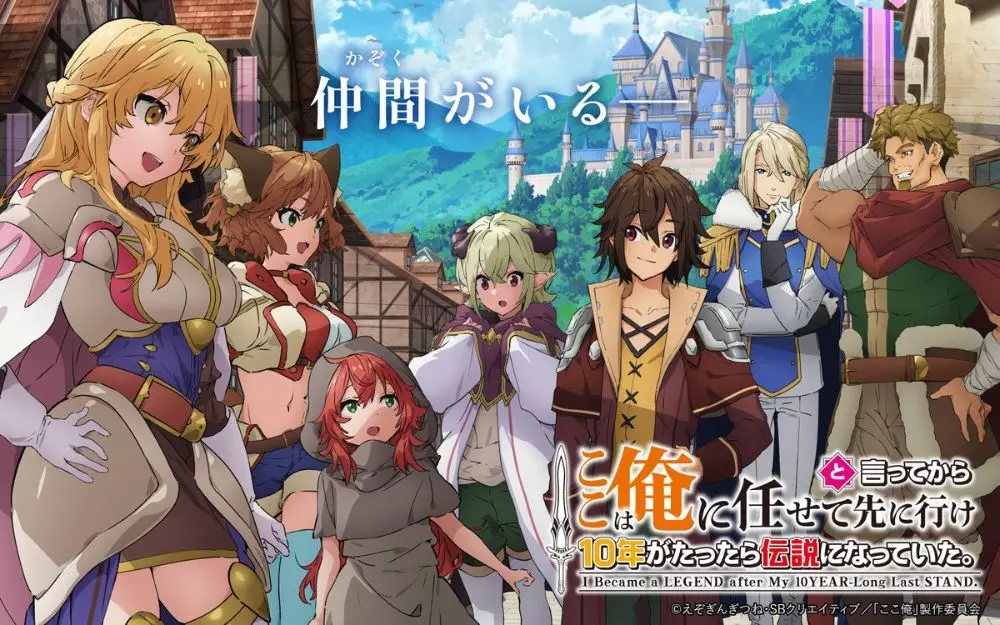 [Leave This to Me and Go on Ahead!] Traveling with Former Companions in a World Where I Became a Legend, Koko wa Ore ni Makasete Saki ni Ike to Itte kara 10-nen ga Tattara Densetsu ni Natteita.!2026-08-10 Hana
-
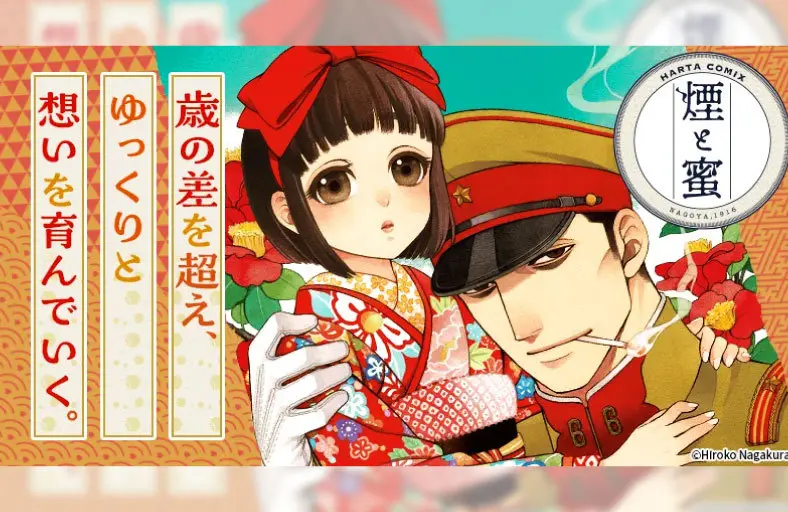 【Kemuri to Mitsu】Too Much Age Difference! A Featured Work Set in Japan's Taisho Era, Between a Soldier and a Young Girl!2024-01-10 Hana
-
 【Isekai × BL】 Popular Light Novel Adapted into Manga! Isekai de no Ore e no Hyouka ga Okashiin da ga!2025-06-20 Hana
-
 [Brothers x Reincarnation] Reincarnated as the younger brother of a favorite game character!? Evade the fate of death approaching yourself and protect the smile of your beloved older brother! Saioshi no Gikei wo Mederutame, Nagaikishimasu!2026-02-20 Hana
-
 【Futsutsuka na Akujo dewa Gozaimasu ga】 The World Changes Due to the Body Swap!? The Court Drama of Two Beautiful Women is Fascinating! Futsutsuka na Akujo dewa Gozaimasu ga - Suuguu Chouso Torikae Den!2024-07-12 Hana