
[Summer 2026 Anime] “Why do people dance?” The story of young Zeami! World Is Dancing!
[Summer 2026 Anime] “Why do people dance?” The story of young Zeami! World Is Dancing!
2026-10-07
[Summer 2026 Anime] “Why do people dance?” The story of young Zeami! World Is Dancing!
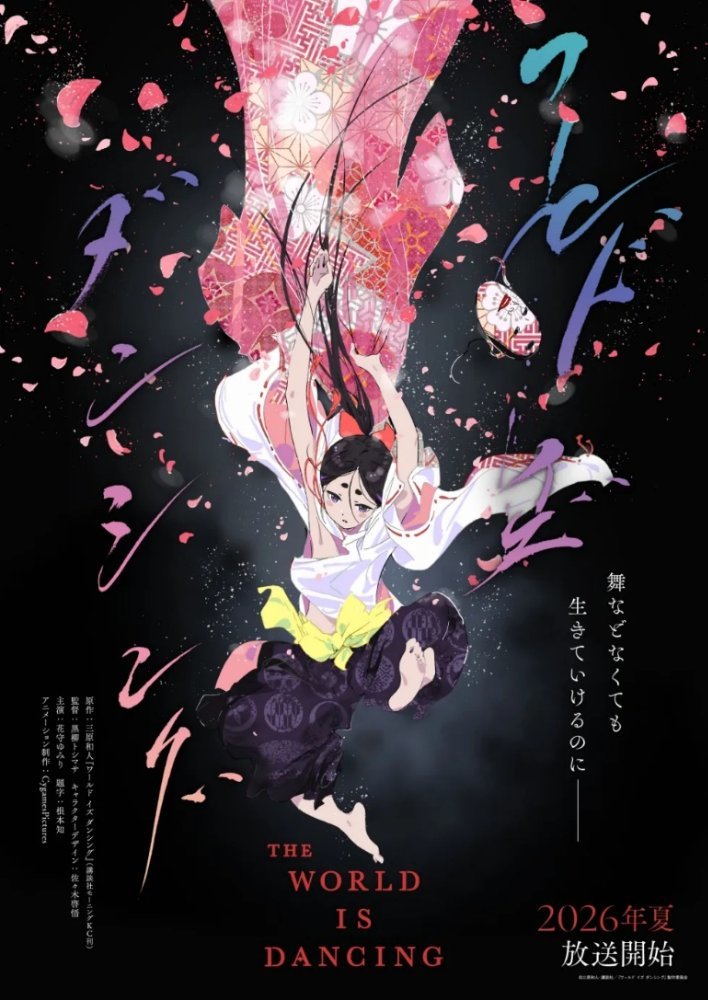
If people do not eat, they die. Nor can they live without sleep. Then, what about dancing? One can go on living without dancing—the manga “World Is Dancing” by Mihara Kazuto begins with such a simple yet difficult-to-answer question. The story is set in 1374 during the Muromachi period, a time when the two courts, the Southern and Northern Courts, continued to clash, and Ashikaga Yoshimitsu, Seii Taishogun of the Northern Court, was gradually strengthening his power. The protagonist is Oniyasha, born as the child of Kanami, the leader of the Kanze troupe that performs Sarugaku. He is a boy who also dances within the troupe led by his father, but sitting in his heart is the question, “Why do people need to dance?” What is dance? For what purpose does one move one's body and show it to someone? Unable to find an answer, Oniyasha spent his days feeling somehow gloom-ridden.

A turning point arrives for Oniyasha. In a dilapidated house on the outskirts of town, he sees a poorly dressed woman dancing. It is not a grand stage, nor does she wear colorful costumes. Yet Oniyasha feels that the dance is “good.” “But what on earth was good about it?” He does not know the reason himself. However, it is precisely this indescribable feeling that propels the boy forward. From the moment his heart reacts before his brain can comprehend, Oniyasha begins to face dance itself head-on. Is one moved because the technique is superior, or is one's heart shaken because a person's way of life manifests through the body? While depicting art as something that cannot be spoken of solely through numbers and logic, this work follows the process of Oniyasha searching for answers using his own body as a weapon.
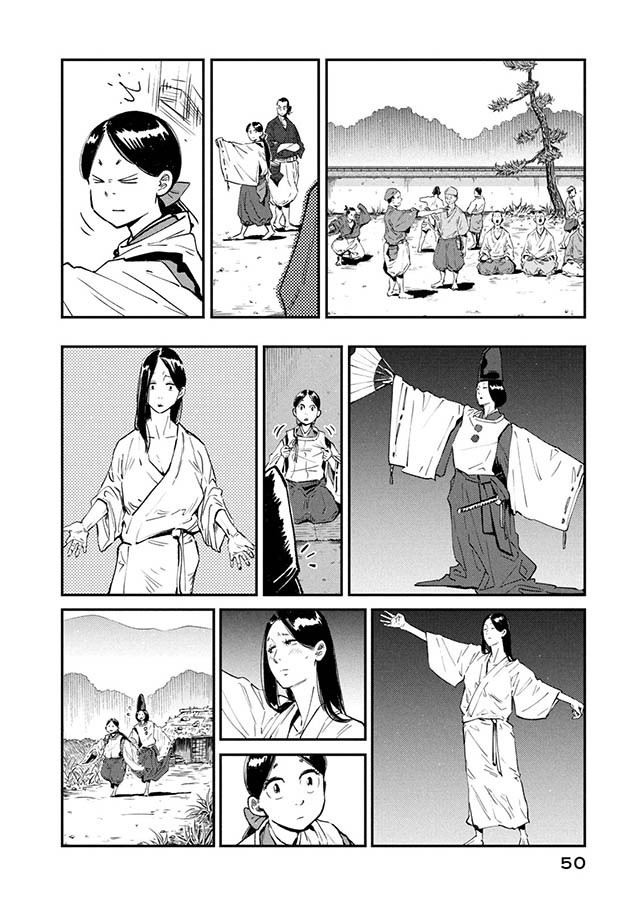
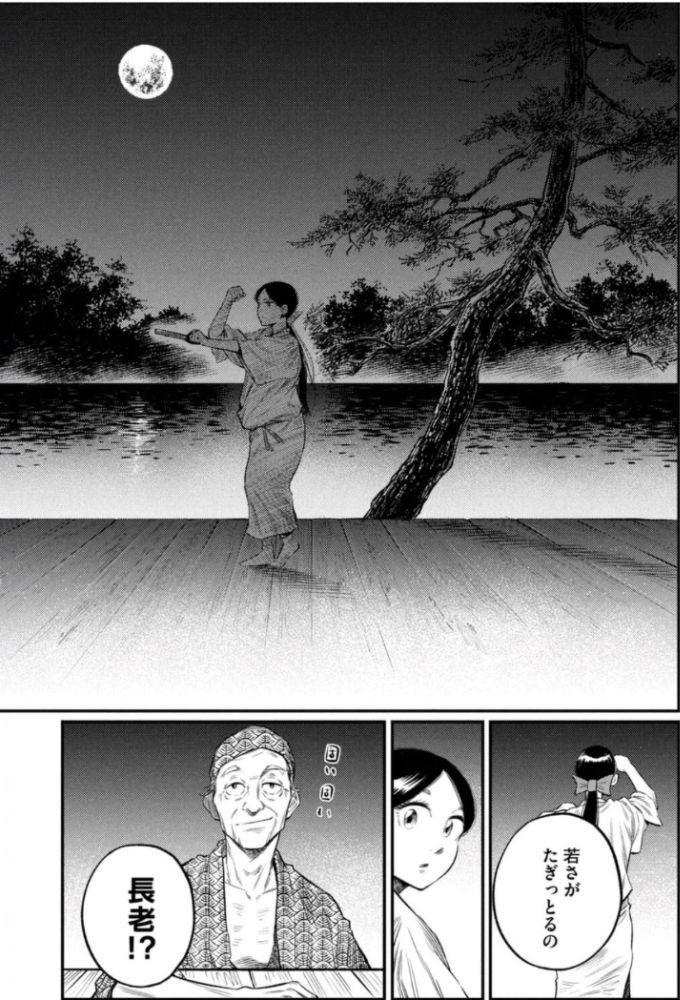
What makes “World Is Dancing” interesting is likely how it does not portray historical figures as already perfected geniuses from the start. Although Oniyasha is an inquisitive and beautiful boy, he is stimulated by encounters with people, laughs and cries, and is sometimes forced to realize his own patheticness. His figure lacks the stiffness of a “biography of a great person” and possesses the vividness of a single youth who falls in love with something and struggles to discover its true nature. What was the “good” that he felt? How can he express that as his own dance? With no one around to teach him the right answer, Oniyasha absorbs interactions with others and experiences as he draws closer to his very own expression. It is precisely because of that trial and error that readers feel urged to think alongside him about “what dance really is.”
What is important here is that Oniyasha is not a fictional genius boy. He is none other than Zeami, who would later perfect Japanese “Noh.” In other words, what is depicted in this work is not the completed world of Noh, but a story far before it takes shape. The structure, which invites one to imagine that “even that famous Zeami might have had a time when he was lost like this,” is truly captivating, and a unique sense of presence is born through the intersection of historical fact and creation. What is more, the setting is a transient era where power struggles continue. In a world where people's standings and society itself shift, humans still dance and try to express something. The overlapping of Oniyasha's personal growth with the movements of the era itself gives the work its rich value as a historical manga.
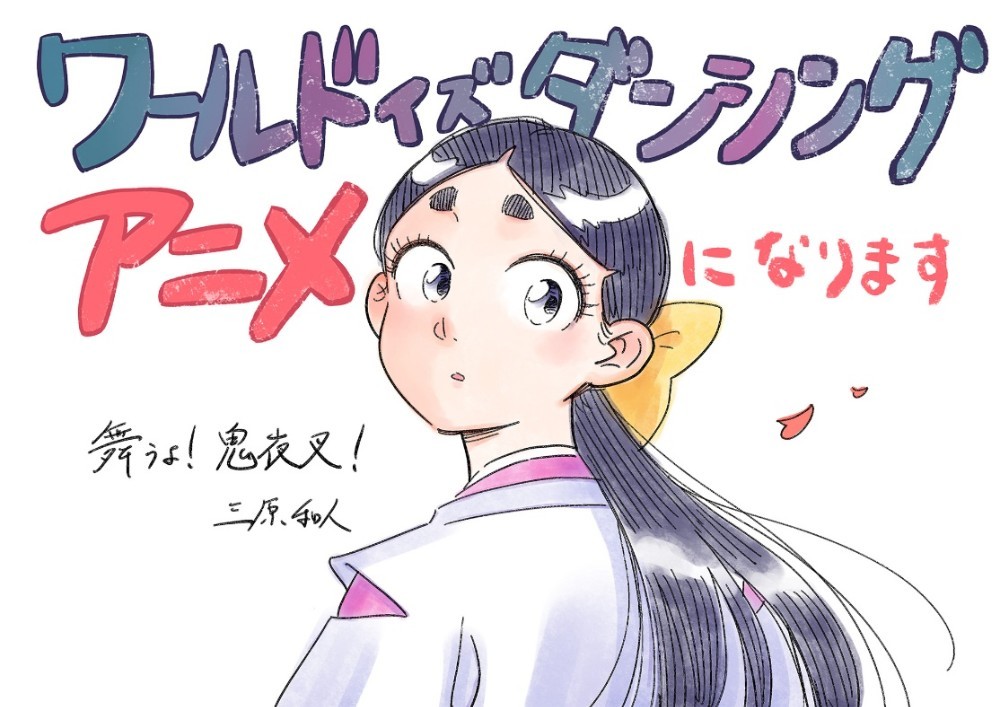
“World Is Dancing” is not a work that merely depicts the result that “Zeami created Noh.” Rather, it is a story that follows what a young boy saw, felt, and worried about before arriving at that result. One can go on living without dancing. Even so, people have continued to dance for hundreds of years. Then, why? The question Oniyasha harbored connects curiously to those of us living in modern times, provided one has ever engaged with art or creation. What is depicted within this neatly wrapped story spanning six volumes in total is the exact moment when a culture passed down over 600 years into the future is about to sprout. Even if you are not knowledgeable about Noh, if you are interested in the question “Why do people express themselves?”, it is a work that makes you want to search for the answer alongside Oniyasha.
World Is Dancing
▸
Popular Articles
-
 [Summer 2026 Anime] A Sage Reincarnated from Despair Rewrites the World's Common Sense. An Out-of-Spec Academy Fantasy Begins! Rakudai Kenja no Gakuin Musou: Nidome no Tensei, S-Rank Cheat Majutsushi Boukenroku!2026-09-30 Hana
-
 Hot Picks Alert: Must-Read Manga Releases This Week! [7/1 (Mon) – 7/7 (Sun)]2024-07-04 Hana
-
 [Former Hero x Former Demon King] Enemies in their past lives!? Meeting again—is it fate, or is it destiny...!? A modern reincarnation romantic comedy about a former Hero ╳ former Demon King! Hanaori-san wa Tensei shitemo Kenka ga Shitai!2026-09-14 Hana
-
 【Kikazaru Hina wa mada Koi wo Shiranai】: A Youthful BL Tale of Romance and Growth, Centered around an Introverted Cross-dressing Cosplayer2023-06-18 Hana
-
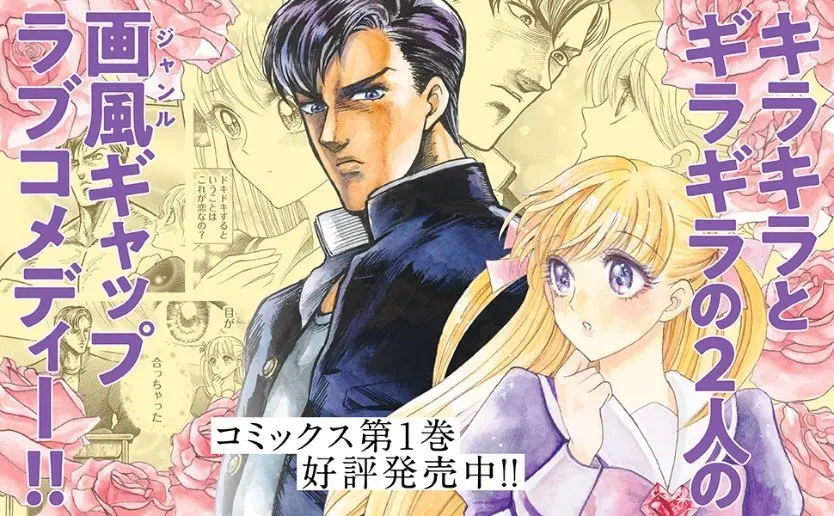 【Kirakira to Giragira】The Forbidden Fusion of Shoujo Manga and Delinquent Manga!?2024-05-06 Hana
-
 【Futsutsuka na Akujo dewa Gozaimasu ga】 The World Changes Due to the Body Swap!? The Court Drama of Two Beautiful Women is Fascinating! Futsutsuka na Akujo dewa Gozaimasu ga - Suuguu Chouso Torikae Den!2024-07-12 Hana